Learn how perimeter pest control around your Johnson City home works, what areas we treat, and why a simple exterior barrier can keep bugs from getting inside.

Introduction
If bugs keep showing up inside your home, the real problem usually starts outside. Most pests in Northeast Tennessee live in mulch beds, crawl spaces, and wall voids, then slip through tiny gaps to get into kitchens, bathrooms, and bedrooms. Perimeter pest control focuses on those exterior hot spots, building a barrier before pests cross the threshold.
From our base in Chuckey, Pest Detectives uses perimeter pest control to protect homes in Johnson City, Kingsport, Bristol, Greeneville, and surrounding communities. Here’s what we treat around your home—and why this simple approach works so well over time.
What Is Perimeter Pest Control?
Perimeter pest control is a program of exterior treatments designed to keep common household pests from ever getting a foothold indoors. Instead of waiting until spiders, ants, or roaches show up in the hallway, we:
Inspect the outside of your home
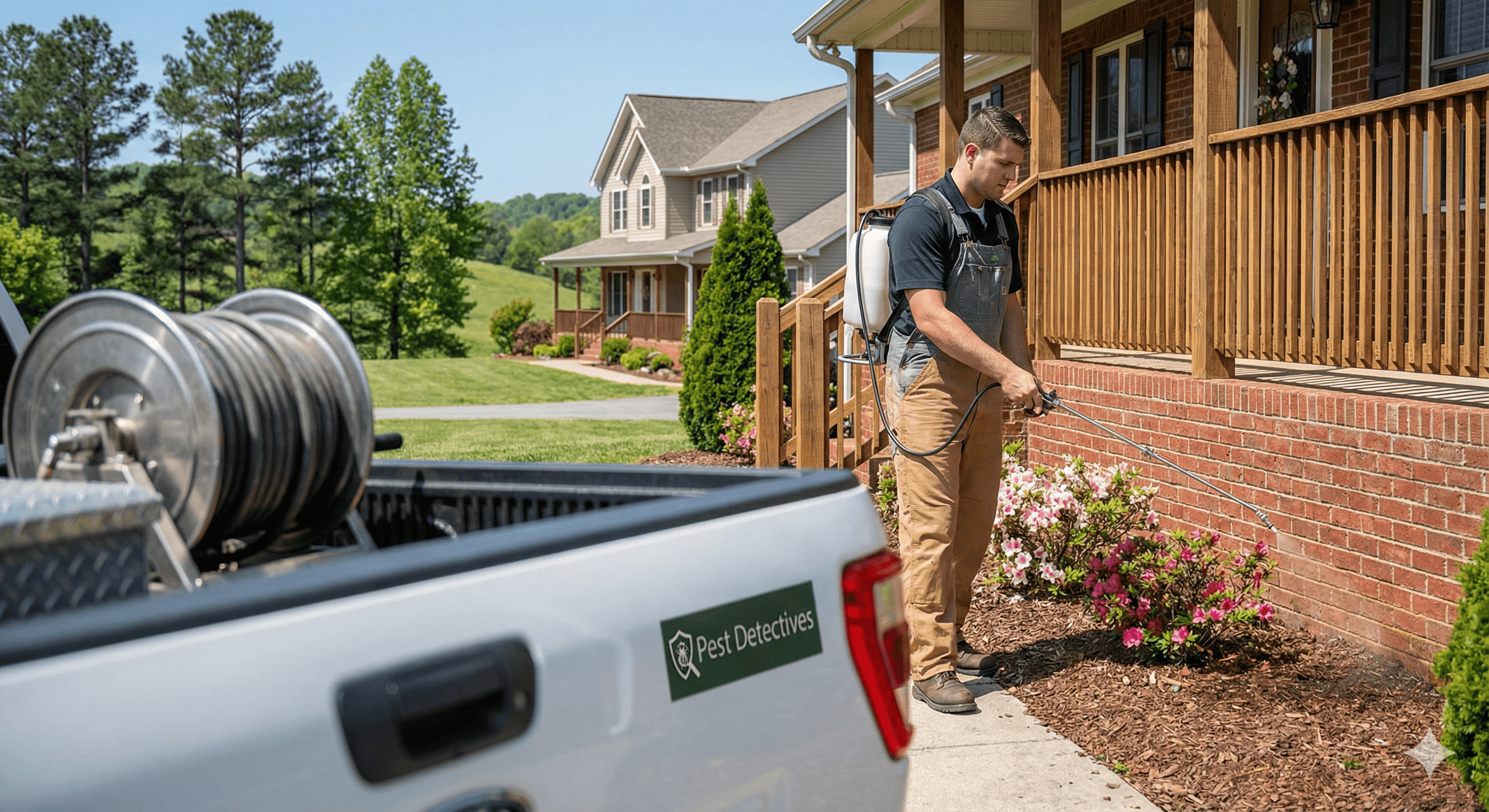
Treat foundation zones, entry points, and high-risk areas
Return on a schedule that matches local pest pressure
Because most insects and many crawling pests have to pass through this treated zone to get inside, the perimeter acts like a shield around your home.
Common Pests We Target with Perimeter Treatments
Perimeter work is not “one bug only”—it’s designed to hit several of the problems you see most often in Johnson City homes:
Ants trailing along sidewalks, foundation walls, and patios
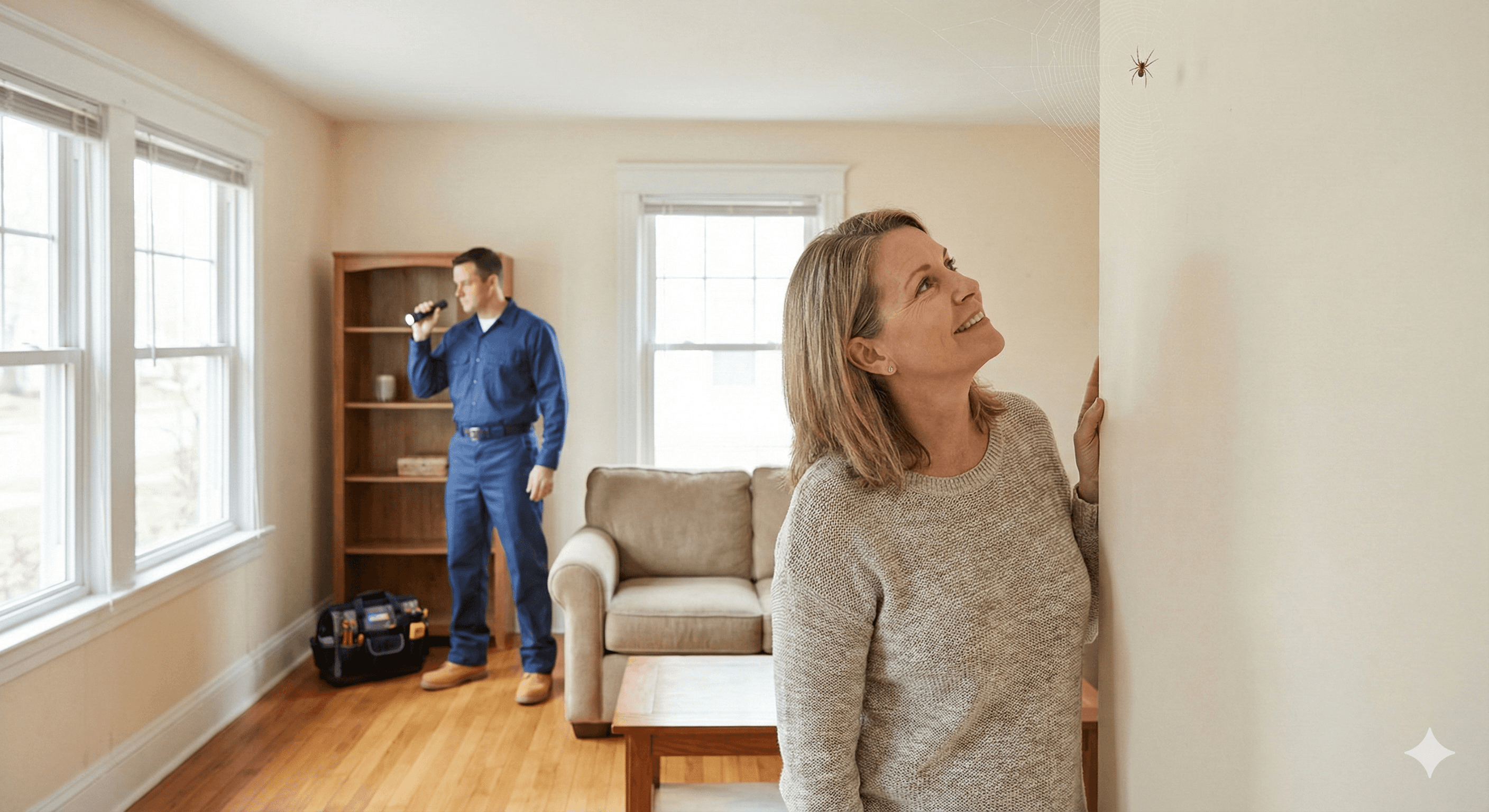
Spiders building webs under eaves, in corners, and around lights
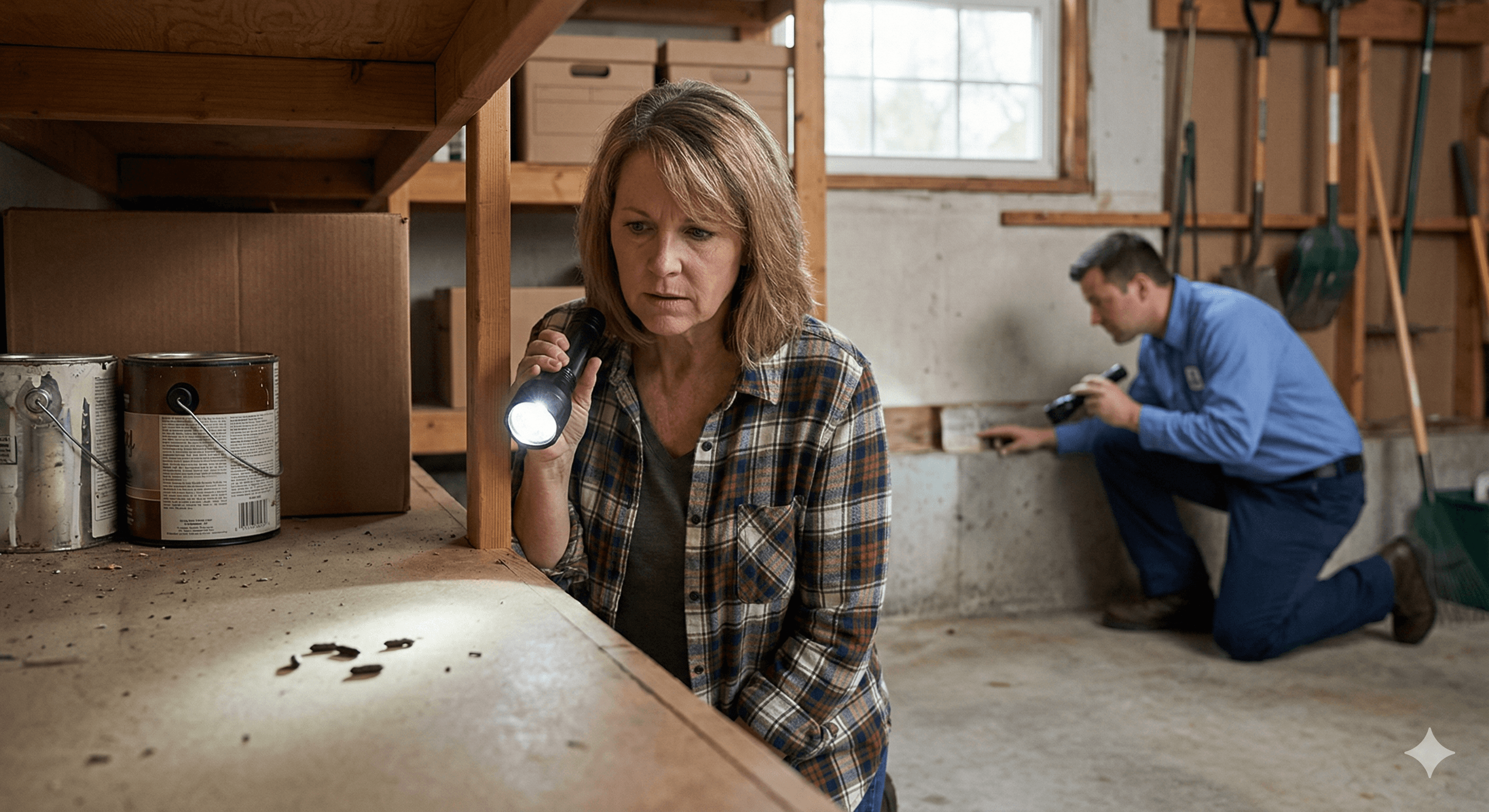
Roaches hiding in cracks near trash areas, crawlspaces, and utility lines
Occasional invaders like centipedes, millipedes, earwigs, and stink bugs
Overwintering pests that try to slip in around windows and attic vents when temperatures drop
We may still recommend specialized services for termites, bed bugs, and rodents, but a solid perimeter program drastically cuts down on day-to-day bug sightings inside.
Key Areas We Treat Around Your Home
Every house is different, but most perimeter pest services focus on a few critical zones where bugs love to travel or hide.
1. Foundation and Ground-Level Walls
This is the main “highway” for ants, spiders, and roaches. We apply treatments along:
The base of exterior walls
Around expansion joints and cracks
Along the edges of patios, porches, and driveways
Because pests often follow these edges as they move, this foundation band is the backbone of your exterior barrier.
2. Doors, Windows, and Utility Openings
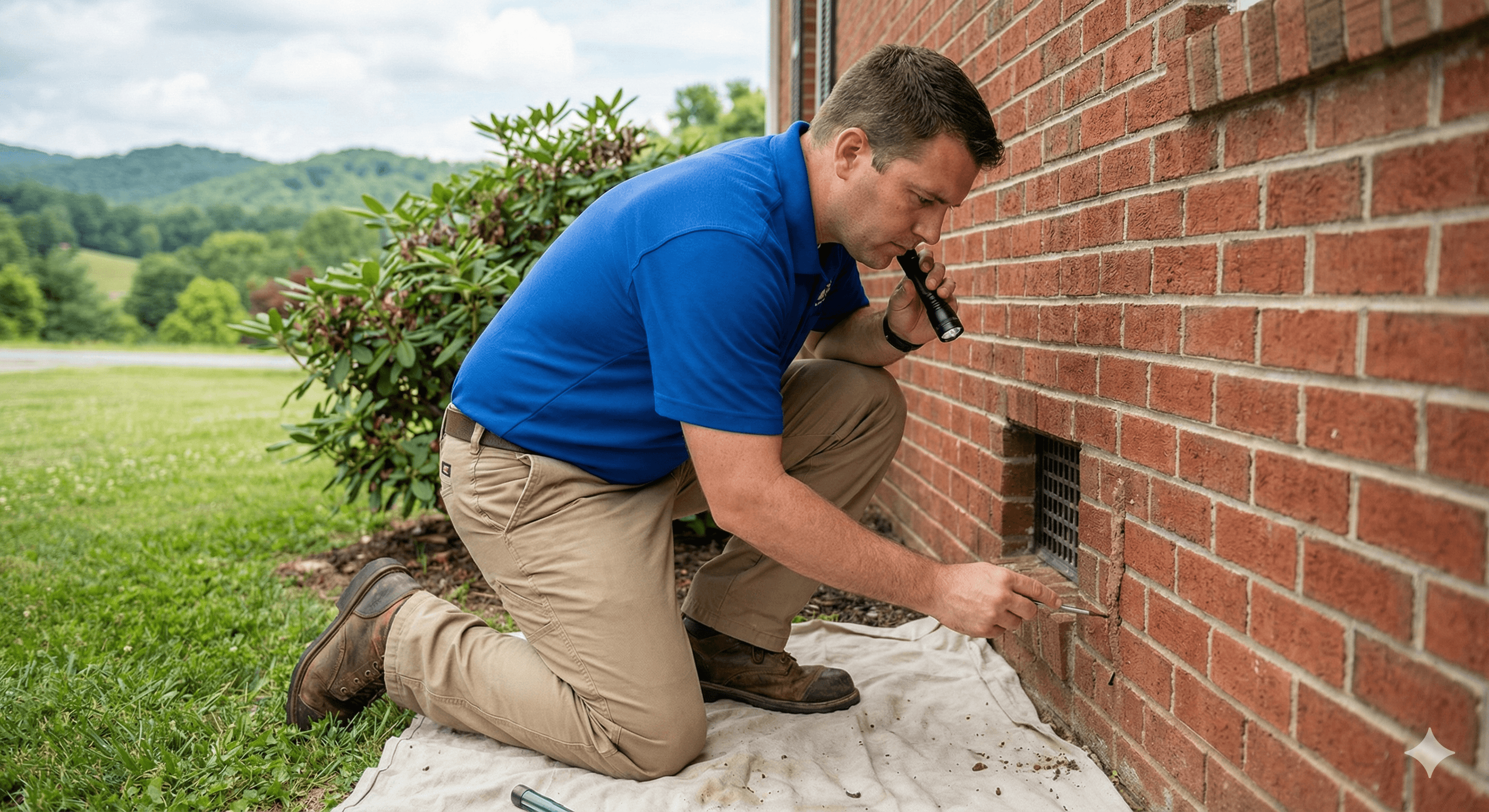
Most pests don’t just walk through the middle of a brick wall—they use gaps and weak points. We pay close attention to:
Door thresholds and garage doors
Window frames and weep holes
Utility penetrations (cable, HVAC lines, plumbing pass-throughs)
We’ll point out any larger gaps or broken weatherstripping so you can decide whether to repair or upgrade those spots for even better protection.
3. Eaves, Soffits, and Light Fixtures
Spiders and wasps love protected overhead areas. Depending on the situation and your service plan, we may:
Remove webs from eaves, soffits, porch ceilings, and fixtures
Treat high-activity corners where webs constantly reappear
Address lighted entryways that attract flying insects at night
Removing webs immediately improves how the house looks and cuts down on the “buggy” feel before we even apply product.
4. Landscaping, Mulch Beds, and Trash Areas
Mulch beds and heavy landscaping create ideal shelter for many crawling pests. Around these areas we may:
Treat the soil or mulch near the foundation
Focus on shady, damp spots where insects rest during the day
Pay special attention to trash cans, AC pads, and stored firewood
We’ll also give you simple tips—like pulling mulch back a few inches from siding or storing firewood off the ground—to reduce pest pressure long term.
Why Perimeter Pest Control Works So Well
Perimeter pest control is effective because it lines up with how pests naturally move:
Most pests start outside. Ants, spiders, and roaches breed outdoors in soil, wood piles, and debris.
They follow edges and shelter. Bugs travel along walls, cracks, and seams where our products are placed.
They cross through a treated band. As pests walk through this band, they pick up a dose that affects them shortly after contact.
You see fewer bugs inside. With the exterior routes covered, far fewer pests ever make it to your kitchen or bathroom.
When we repeat treatments on a regular schedule, we keep that band active in the face of rain, heat, and seasonal pest spikes typical of northeast Tennessee’s climate.
How Often Should Perimeter Pest Control Be Done?
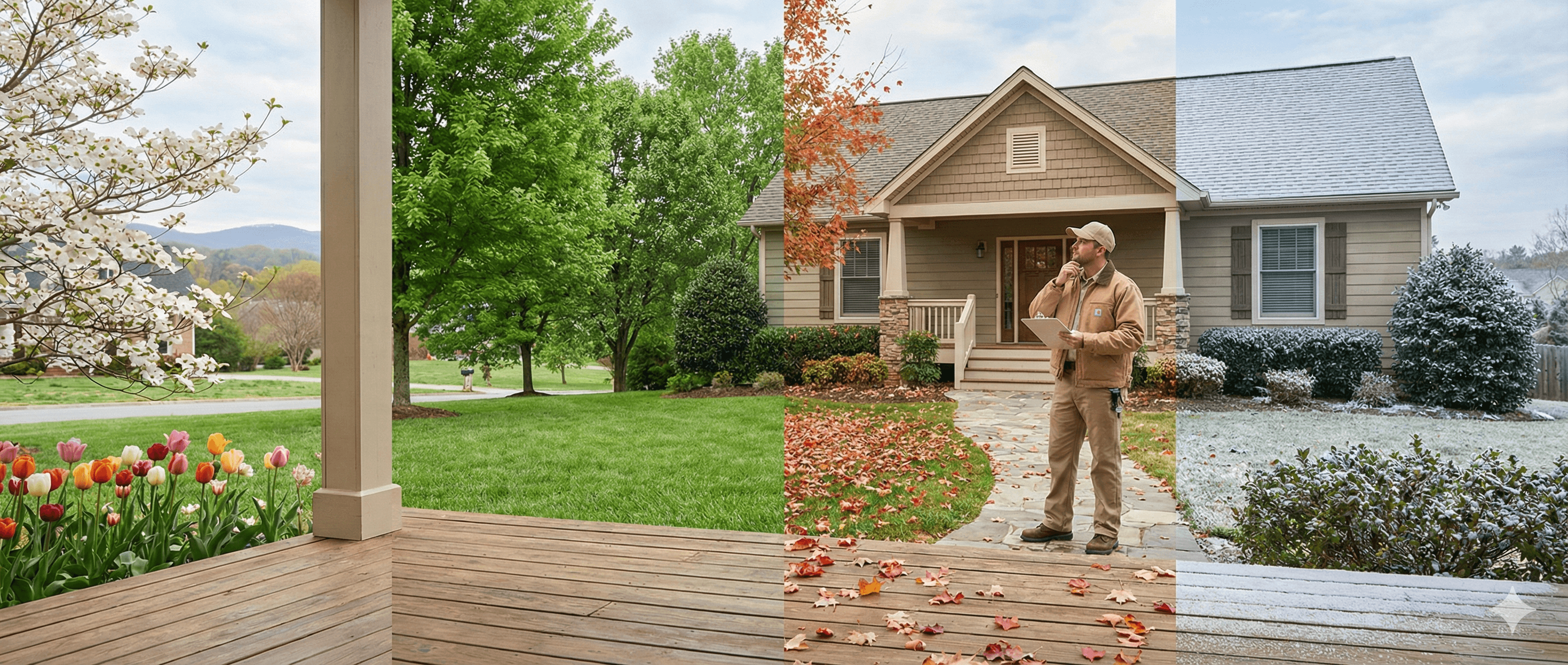
In our area, pest activity isn’t just a “summer thing.” Warm spells, humidity, and rainy periods can stir up activity almost any month of the year. For most Johnson City homes, we recommend:
Quarterly visits (about every 3 months) as a strong starting point
Bi-monthly service for homes with heavy tree cover, moisture issues, or chronic pest pressure
As-needed follow-ups between regular visits if something changes dramatically (renovations, major weather events, or a new pest issue)
We’ll talk through your specific home, yard, and tolerance for pests and recommend a schedule that makes sense rather than pushing a one-size-fits-all plan.
What a Perimeter Visit from Pest Detectives Looks Like
We keep our process consistent, so you always know what’s happening around your home.
Quick Check-In
We ask what you’ve seen since our last visit—more ants on the patio, spiders on the porch, roaches in the garage, etc. That feedback helps us focus where it matters most.Exterior Inspection
We walk the perimeter, looking for active trails, webs, new gaps, moisture issues, or changes to the property (new mulch, added structures, yard work).Targeted Treatment
We apply products along the foundation, at entry points, and in other problem areas—following the pattern described above. If your plan includes de-webbing or spot treatments in certain places, we handle that, too.Notes and Recommendations
After we finish, we let you know what we found, where we treated, and anything you might want to address yourself (like low-hanging brush, standing water, or gaps under doors).
When Perimeter Pest Control Isn’t Enough on Its Own
Perimeter pest control is powerful, but some situations still need extra help:
Termites: Require dedicated inspections and treatment plans focused on soil, wood, and structural contact points.
Bed Bugs: Usually start inside from travel or used items, not from exterior pressure.
Rodents: Need a combination of trapping, sanitation, and physical exclusion work.
In those cases, we recommend pairing your perimeter service with the appropriate specialty treatment (Termite, Bed Bug, Rat or Rodent Control) so you’re not relying on a tool that wasn’t built for that job.
Simple Things You Can Do Between Visits
You don’t have to remodel your house to see better pest control results. A few small habits go a long way when combined with a good perimeter program:
Keep mulch, rock, or landscaping a few inches away from siding
Trim back shrubs and tree branches that touch the house
Store firewood off the ground and away from exterior walls
Fix leaks and drainage problems that keep soil around the foundation constantly wet
Use door sweeps and repair torn screens where you can
We’ll point out easy wins during service so you can tackle them at your own pace.
Is Perimeter Pest Control Right for Your Johnson City Home?
If you’re constantly seeing ants on the counters, spiders by the door, or roaches in the bathroom, treating only the inside is like bailing water without fixing the leak. Perimeter pest control addresses the source—the steady stream of pests approaching from outside—and helps keep your living spaces comfortable between visits.
From our base in Chuckey, Pest Detectives provides perimeter pest control and full-home pest services to Johnson City, Kingsport, Bristol, Greeneville, Jonesborough, Elizabethton, and nearby communities.
If you’re ready to cut down on surprise bug sightings, we’re here to help.