
Use this seasonal pest checklist to keep your Johnson City home ahead of ants, spiders, roaches, rodents, and termites all year.

Introduction
Most pest problems don’t come out of nowhere. In Johnson City and across Northeast Tennessee, there are patterns—certain bugs show up every spring, others surge in summer, and rodents get bold when temperatures drop.
From our base in Chuckey, Pest Detectives sees the same cycles play out in Johnson City, Kingsport, Bristol, Greeneville, and nearby communities year after year. The good news? If you know what to expect, you can get ahead of a lot of those issues with a simple seasonal routine.
Use this checklist as a practical guide—not a perfection list—to help reduce pest pressure around your home all year long.
Spring: Wake-Up Season for Bugs and Termites
As temperatures warm up and rain returns, pests start moving again. Spring is your chance to tackle moisture, clutter, and early signs of activity.
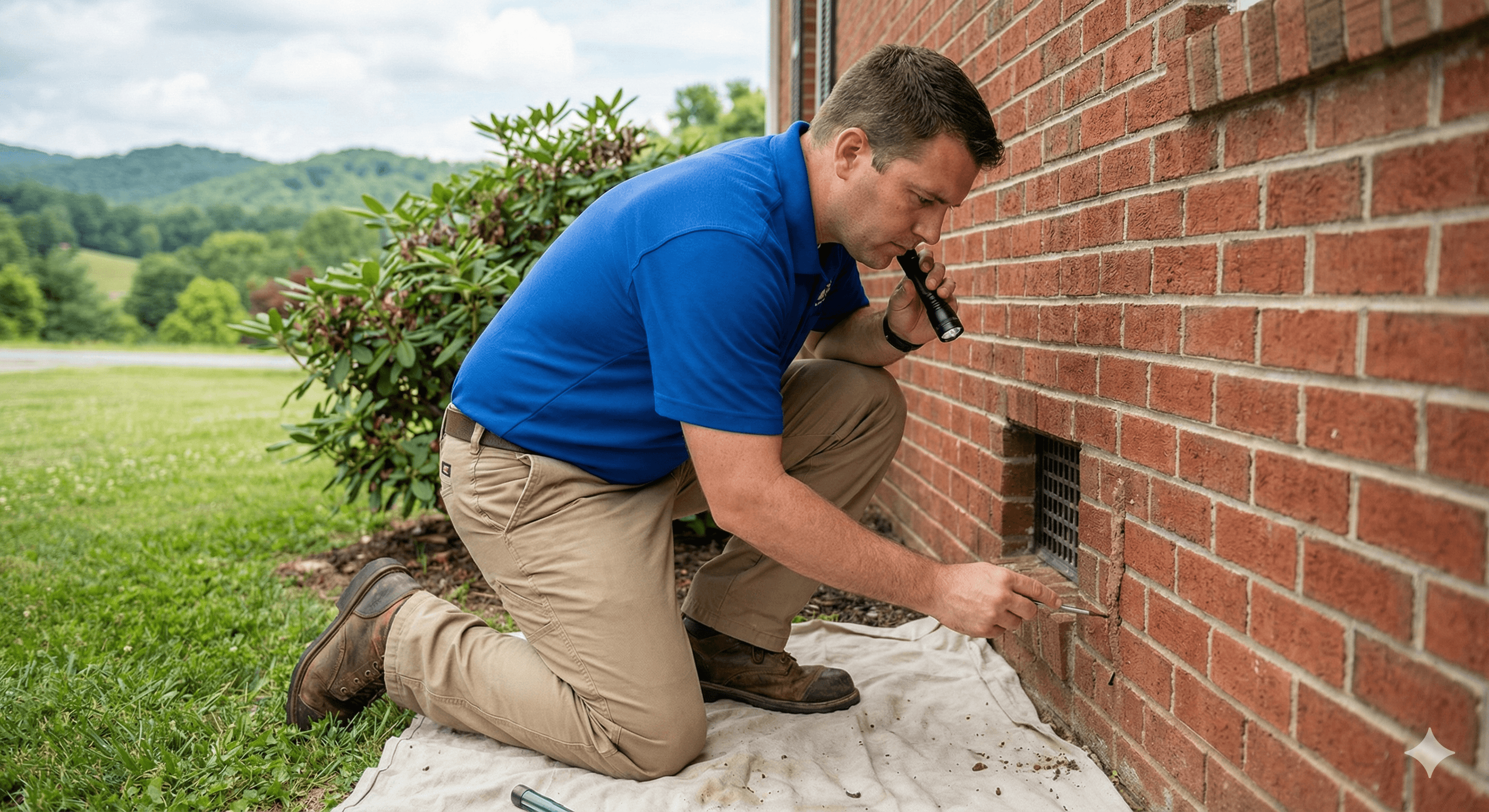
1. Walk the Exterior and Foundation
Do a slow lap around your home and look for:
Gaps around doors, garage doors, and utility lines
Cracked caulk around windows
Loose or damaged weatherstripping
Mulch or soil piled high against siding
Why it matters: Ants, spiders, and roaches follow these seams and gaps straight inside. This is also where your perimeter pest control treatments will be most effective.
2. Check Gutters, Downspouts, and Drainage
When it’s safe to do so, look for:
Gutters packed with leaves and debris
Downspouts dumping water right by the foundation
Persistent wet spots next to the house after rain
Why it matters: Constant moisture near the foundation attracts ants, roaches, termites, and other insects. It also sets the stage for wood decay and fungus issues under the home.
3. Inspect for Termite Clues
Spring is prime termite swarm season in Northeast Tennessee. Keep an eye out for:
Winged “ants” gathering around windows or lights
Piles of discarded wings on windowsills or floors
Mud tubes along foundation walls, piers, or in crawlspaces
If you see anything that looks suspicious, don’t spray it with store-bought products. Take a picture and schedule a termite inspection.
4. De-Clutter Storage and Garage Areas
Inside, focus on:
Cardboard boxes in basements, closets, and garages
Piles of unused items along walls
Old pet food or birdseed sitting open
Why it matters: Clutter gives spiders, roaches, and rodents plenty of places to hide. Swap cardboard for plastic bins when you can and keep stored items a bit off the floor and away from walls.
Summer: Ants, Spiders, Roaches, and Mosquitoes
Warm, humid weather means everything wants to move, breed, and find food. Summer is about reducing attractants and making your home less inviting.
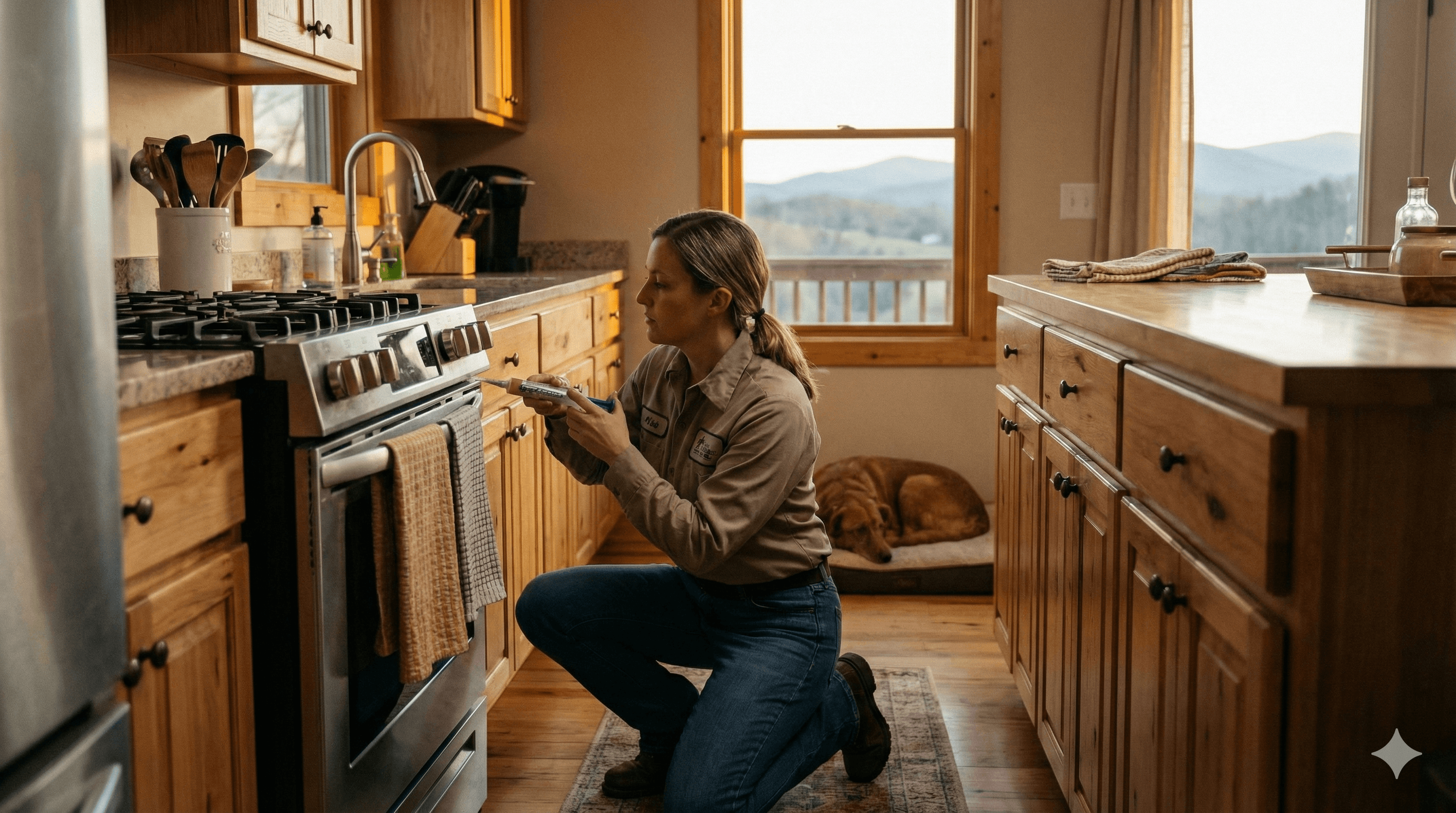
1. Focus on Kitchen and Bathroom Habits
These are the two most common rooms we get calls about.
Check for:
Food left on counters or open packaging
Trash cans without tight-fitting lids
Drips under sinks or slow leaks
Why it matters: Ants and roaches love moisture and easy food. A little extra attention here can save a lot of frustration.
2. Tighten Up Trash and Recycling Areas
Outside:
Use cans with good lids
Rinse recyclables that held food or sugary drinks
Keep trash bins slightly away from doors and garage entries
These steps help cut down on roaches, ants, and flies congregating right at the edge of your home.
3. Tidy Up the Yard for Mosquito Control
Once a week, walk the yard and:
Dump standing water out of toys, buckets, plant saucers, and birdbaths
Check low spots in the lawn after rain
Look under tarps, grills, or unused equipment for pooled water
If mosquitoes are already bad, consider pairing this with a professional mosquito treatment around shrubs, shaded corners, and fence lines.
4. Manage Outdoor Lighting and Vegetation
To reduce bugs near entries:
Use warm-colored bulbs instead of bright white where possible
Trim bushes that touch the house or cover windows
Knock down accessible spider webs around doors and porches
Less cluttered, less shaded, and less bright right at the door = fewer spiders, flying insects, and wasps buzzing in your face every time you step outside.
Fall: Rodent and Overwintering Pest Prep
As nights get cooler, pests start looking for winter shelter. Fall is your best window to block them out.
1. Seal Rodent Entry Points
Walk around the exterior and check for:
Gaps under garage doors and exterior doors
Openings where pipes, wires, or vents enter the house
Damaged crawlspace doors or vents
Even small spaces can let mice in, and rats don’t need much more. Add door sweeps, replace worn weatherstripping, and use suitable materials to close obvious holes.
2. Store Firewood Smart
If you burn wood:
Stack firewood off the ground on a rack
Keep it a few feet away from the house or porch
Bring in small amounts at a time instead of piling it beside the fireplace
Firewood stacks are a favorite harborage for spiders, ants, beetles, and rodents.
3. Check Attic and Crawlspace Conditions
If you can access them safely, take a quick look for:
Signs of rodents (droppings, disturbed insulation, gnaw marks)
Moisture, standing water, or heavy condensation
Daylight showing through places it shouldn’t
You don’t need to diagnose everything yourself, but spotting these things early gives your pest pro a head start.
4. Trim Trees and Shrubs Touching the Roof or Siding
Branches and thick vegetation in contact with the home can:
Provide bridges for rodents, ants, and other insects
Hold moisture against siding
Drop debris into gutters
A little trimming in fall can make life harder for pests trying to move in ahead of winter.
Winter: Monitoring, Maintenance, and Indoor Habits
Winter doesn’t mean all pests disappear. Some move inside; others slow down but don’t stop.
1. Watch for Rodent Signs Indoors
Pay attention to:
Scratching or scampering noises in walls or ceilings
Droppings in pantries, under sinks, or in garages
Chewed bags, boxes, or wires
If you notice any of these, avoid scattering random bait blocks around on your own. A focused rodent control plan will be much more effective and safer for family and pets.
2. Keep Spiders and Overwintering Bugs in Check
During winter, you may still see:
Spiders in basements, garages, or seldom-used rooms
Occasional lady beetles or stink bugs around windows on warm days
Regular vacuuming, reducing clutter, and sealing obvious gaps around windows helps. For persistent spider issues, a targeted spider control service can reset the baseline inside.
3. Maintain Good Food Storage Habits
Even when you’re not thinking about pests:
Store dry goods in sealed containers
Don’t leave pet food out overnight
Rotate older food to the front so nothing sits forgotten
These habits help deter roaches, pantry pests, and rodents year-round.
When to Bring in Professional Pest Control
This checklist will cut down on a lot of problems by itself, but some situations are bigger than what a homeowner can reasonably handle, like:
Ants that keep returning to the same rooms every season
Roaches showing up even after careful cleaning
Rodent activity in attics, crawlspaces, or multiple areas
Signs of termites or unexplained structural changes
Bed bugs, which almost always need a professional plan
In those cases, pairing your routine with regular professional pest control gives you the best of both worlds: you handle simple prevention, and we handle the inspection, treatment, and follow-up.
Building a Pest Routine That Fits Your Johnson City Home
You don’t need to tackle everything on this checklist in one weekend. Think of it as a simple rhythm:
Spring: Fix moisture issues and watch for termites.
Summer: Protect kitchens, baths, and the backyard.
Fall: Seal gaps and prepare for rodents and overwintering pests.
Winter: Monitor indoors and keep conditions less attractive to pests.
From Chuckey, Pest Detectives helps homeowners in Johnson City, Kingsport, Bristol, Jonesborough, Elizabethton, Greeneville, and surrounding communities stay ahead of the curve with proactive inspections, perimeter treatments, and targeted services when something specific pops up.
If you’re tired of fighting a new bug every season, it might be time to turn this checklist into a plan.