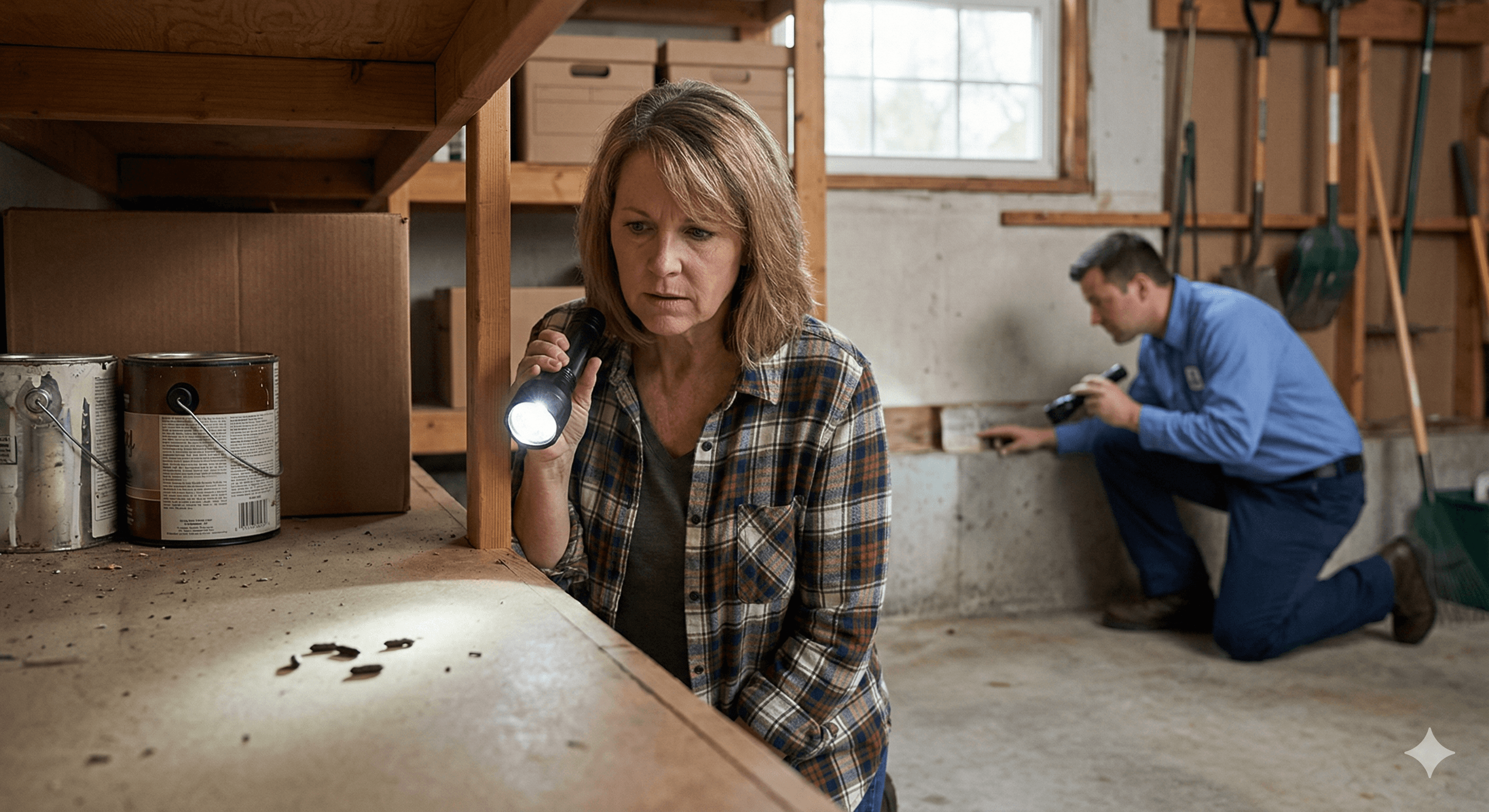
Hearing scratching in the walls? Learn how rats and mice get into Northeast Tennessee homes, what signs to look for, and when to call for rodent control in Johnson City.

Introduction
Few things make a home feel less comfortable than the sound of scratching in the walls at night. In Northeast Tennessee, rats and mice regularly move into attics, crawlspaces, garages, and kitchens when they find an easy way in and a reason to stay.
From our base in Chuckey, Pest Detectives helps homeowners in Johnson City, Kingsport, Bristol, Greeneville, and nearby communities track down how rodents are getting inside, remove current activity, and make the structure harder to re-invade. This guide walks through the differences between rats and mice, the signs to watch for, and the most common ways they enter homes in our area.
Rats vs. Mice: What’s Likely in Your Northeast Tennessee Home?
You don’t have to identify every rodent by species, but knowing whether you’re dealing with rats or mice helps explain:
How bold they’ll be
Where they’re likely nesting
How big the openings need to be
Mice
Mice are:
Smaller, with small droppings (about rice-grain size)
More likely to be seen darting along baseboards or behind appliances
Able to squeeze through incredibly small gaps—think the size of a dime
They often nest:
Inside wall voids
Behind cabinets
In cluttered storage areas and garages
Rats
Rats are:
Larger, with bigger droppings (often pellet-shaped and more noticeable)
Stronger climbers and jumpers, frequently using trees, fences, or pipes to get to roofs
Able to chew through tougher materials—plastic, wood, and some soft metals
They often nest:
In attics
In crawlspaces
In garages, sheds, and under decks
If you’re finding large droppings in the attic or hearing heavy movement overhead, rats are more likely. Small droppings in lower cabinets or pantries usually point toward mice.
Common Signs You Have a Rodent Problem
You may never see a rat or mouse directly—but the evidence they leave behind is hard to miss once you know what to look for.
1. Droppings
One of the clearest signs:
Mice: Small, dark, rice-sized droppings along walls, in cabinets, under sinks, and near food storage
Rats: Larger, thicker droppings in attics, crawlspaces, and garages
If droppings look fresh and soft rather than dry and crumbly, the problem is active, not historical.
2. Noises in Walls, Ceilings, or the Attic
Rodents are mostly active at night. You might hear:
Scratching or rustling in the ceiling
Light gnawing sounds in walls or behind appliances
Thumps or running sounds in the attic
Consistent activity in the same areas, especially after dark, is worth checking out.
3. Gnaw Marks and Damaged Items
Rats and mice chew to keep their teeth worn down. Common damage includes:
Chewed food packaging in pantries
Gnaw marks on wood, plastic bins, or cardboard boxes
Damaged insulation or shredded materials used for nesting
In more serious cases, they may chew wires or HVAC lines, which can create fire and safety issues.
4. Grease Marks and Runways
Rodents tend to follow the same paths:
Dark, greasy smears along baseboards or beams
Worn tracks in dust or insulation
Areas where you repeatedly see droppings along the same lines
These runways tell us where they’re traveling and where to focus control efforts.
How Rats and Mice Get Into Northeast Tennessee Homes
Rodents don’t magically appear in your kitchen—they follow weaknesses in the building’s exterior.
Here are some of the most common entry points we see around Johnson City–area homes:
1. Gaps Under Doors and Garage Doors
Worn or missing weatherstripping
Gaps at corners of garage doors
Damaged or absent door sweeps
A small gap under a door is effectively an open front door for mice.
2. Utility and Plumbing Penetrations
Any place a line passes through a wall is an opportunity:
AC lines and refrigerant lines
Cable and internet wires
Hose bibs and other plumbing penetrations
If there’s a gap around the pipe or cable, rodents can often squeeze through or enlarge it with gnawing.
3. Rooflines, Eaves, and Attic Vents
Rats are excellent climbers. They use:
Overhanging tree branches
Fences and stacked items against the house
Downspouts and structural features
Once they’re at roof level, they look for:
Loose soffits
Gaps in fascia boards
Unscreeened or damaged attic vents
From there, the attic becomes a warm, quiet nesting spot.
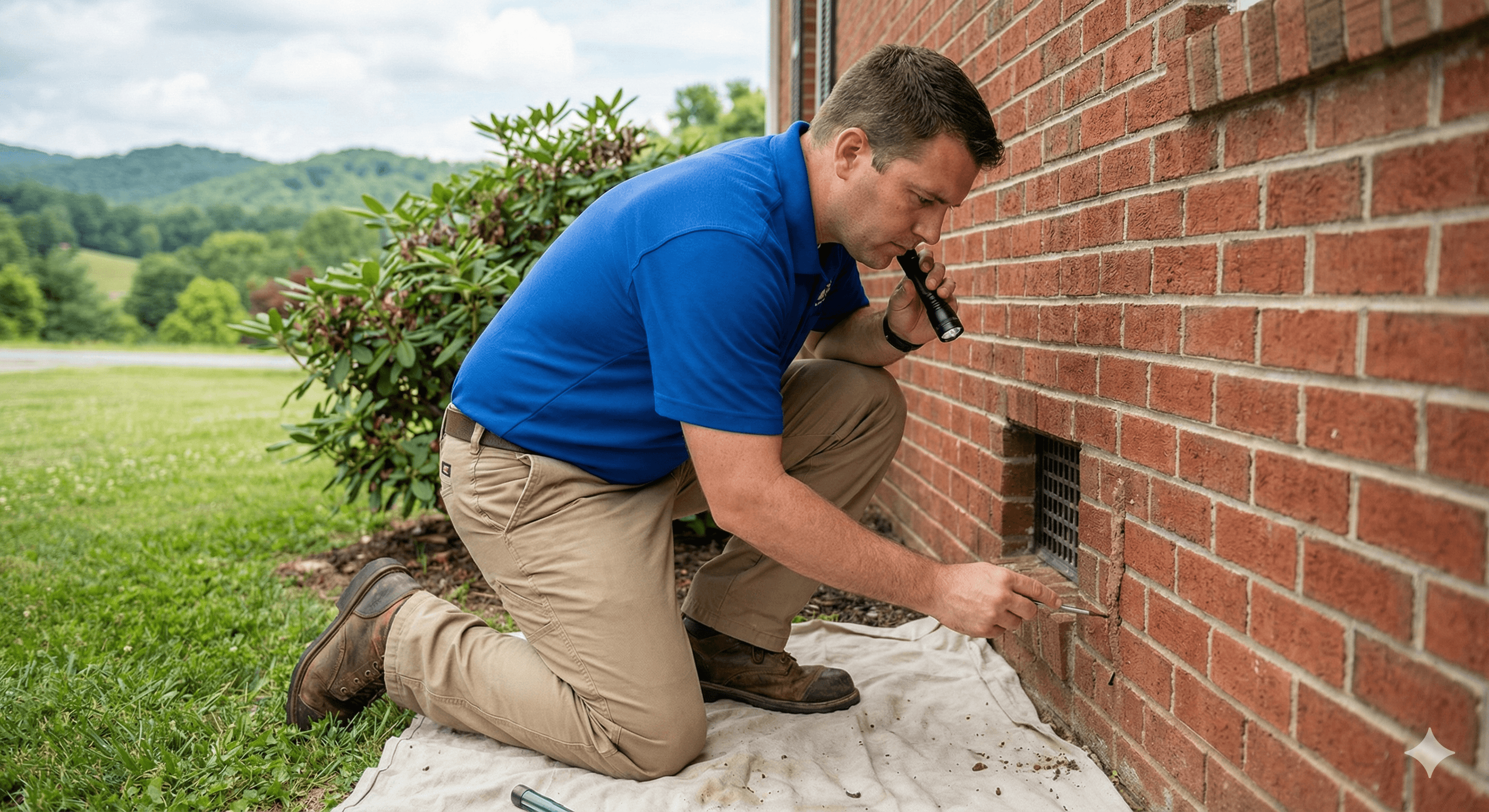
4. Crawlspace and Foundation Openings
Common issues include:
Broken or missing crawlspace doors
Vent covers that are loose, bent, or screened with material rodents can chew
Gaps at the bottom of siding or along foundation transitions
Crawlspaces often provide both entry and shelter, especially in older homes or those with moisture problems.
Why Rodent Problems Are a Big Deal (Beyond the “Ick” Factor)
No one likes the idea of a mouse in the pantry, but the real concern goes beyond just seeing one.
Rats and mice can:
Contaminate food and surfaces with droppings and urine
Damage wiring, insulation, and stored belongings
Contribute to odors and poor air quality in attics and crawlspaces
Introduce parasites or bacteria into the home environment
You don’t need a heavy infestation before it becomes a problem. A small number of rodents can do a surprising amount of damage over time if they’re not addressed.
DIY Rodent Control vs. Calling a Professional
There are useful things homeowners can do—but there are also common mistakes that make problems worse or more complicated.
Helpful DIY Steps
Good habits that make a real difference:
Store pantry items and pet food in sturdy, sealed containers
Keep trash cans covered and clean up spills promptly
Reduce clutter along walls in garages, basements, and storage areas
Trim trees and shrubs away from the house and roofline
Close obvious gaps where you can access them safely
These steps help reduce food sources and hiding places.
Common DIY Mistakes
Some well-intentioned efforts can backfire:
Scattering loose bait blocks randomly where children or pets can reach
Relying only on “sound repellents” or strong-smelling sprays
Patching holes before rodents are removed, trapping them inside living spaces
Focusing only on traps indoors without addressing exterior entry points
If you’re seeing consistent activity or hearing regular noises even after trying basic measures, it’s time to get a more structured plan in place.
How Pest Detectives Handles Rodent Problems in Johnson City
When we’re called to a rodent problem in Northeast Tennessee homes, the goal is more than just “kill what’s there.” We focus on:
What type of rodent is involved (rats, mice, or both)
How they’re getting in
Where they’re nesting and traveling
What needs to change so it doesn’t keep happening
1. Inspection and Assessment
We start by asking:
What have you seen or heard, and where?
How long has it been going on?
Have you used any traps or baits already?
Then we inspect:
Attics and crawlspaces (when accessible)
Garages, basements, and storage rooms
Exterior walls, rooflines, vents, and utility penetrations
This tells us where rodents are living, how they’re moving, and which entry points they’re using.
2. Targeted Trapping and Control
Based on what we find, we:
Place traps or other control tools in strategic locations along travel routes
Avoid random placement in open areas where results would be poor
Handle and dispose of captured rodents as part of the service
The goal is to remove active rodents quickly and safely, without relying on guesswork.
3. Exclusion and Recommendations
Getting rodents out is only half the job. We also:
Point out gaps, cracks, and structural issues that need closing
Explain which repairs are higher priority
Offer exclusion work where appropriate, or guidance if you prefer to use your own contractor
We’ll also talk through sanitation and storage changes that can reduce future rodent interest in your home.
When to Call for Professional Rodent Control
It’s a good time to call a pro when:
You’ve heard scratching or movement more than once
You’re finding fresh droppings in multiple areas
Traps keep catching rodents but the activity never really stops
You’re worried about wires, insulation, or stored items being damaged
You suspect rodents in the attic, crawlspace, or walls—areas that are hard to inspect safely
The sooner a structured plan is in place, the easier it is to get control and prevent long-term damage.
Keeping Rats and Mice Out of Your Northeast Tennessee Home
You don’t have to live with the constant worry of something moving in the walls. A realistic plan combines:
Simple prevention steps you can handle over time
A careful inspection to understand what’s already happening
Targeted trapping and exclusion so the problem doesn’t keep restarting
From Chuckey, Pest Detectives provides rodent control for homeowners in Johnson City, Kingsport, Bristol, Jonesborough, Elizabethton, Greeneville, and surrounding communities. If something’s scratching in the attic or leaving droppings where they don’t belong, we’re ready to help you figure out what’s going on and what to do next.